
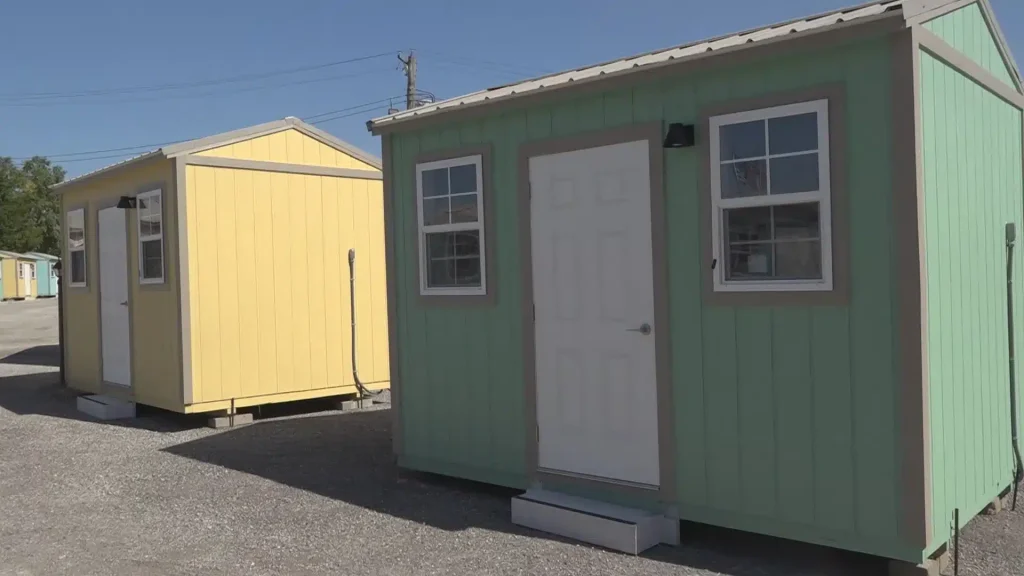
The St. Louis Tiny Homes Project is expanding citywide to address diverse housing needs through innovative small-scale housing solutions. With support from local nonprofits and American Rescue Plan Act (ARPA) funding, the initiative brings transitional and permanent housing to vulnerable populations across the city.
Jefferson Spaces Tiny Homes Project
Led by the Magdala Foundation, this transitional housing village was designed to support unhoused individuals in their journey toward stable living. Thanks to ARPA funds, the project recently doubled its capacity to 100 units, including single, double, and ADA-accessible tiny homes. Each resident is referred through a case-managed system and works on a personalized housing and income plan. On-site services include access to food, hygiene facilities, and caseworkers.
Veterans Community Project (VCP)
A separate effort, known as the Veterans Community Project, focuses on supporting veterans in St. Louis. Located in the Jeff Vander-Lou neighborhood, the campus will include 50 tiny homes and a centralized Outreach Center offering wraparound services. The project is modeled after successful efforts in other U.S. cities, aiming to end veteran homelessness.
Benton Park West Tiny House
In Benton Park West, a grassroots build led by local craftsman Dwayne Tiggs showcases sustainable construction. The house, built primarily from recycled and reclaimed materials, challenges traditional building norms and promotes affordability. Plans include community workshops and open-source designs that could be replicated throughout the city.
Broader Investment and Delays
City records for the Affordable Housing Tiny Homes ARPA project show a $2 million appropriation and $2 million in programmed funds. The program is intended to support low-barrier housing proposals serving people who are unhoused, veterans, and justice-involved individuals. The public expenditure ledger also records a June 6, 2025 payment to Veterans Community Project Inc.
Together, these projects demonstrate St. Louis’s evolving commitment to creative and compassionate housing strategies. Whether serving veterans, those experiencing homelessness, or residents seeking alternative low-cost housing, the St. Louis Tiny Homes Project is shaping a new vision for community living.