
*St. Louis Magazine*
If you’re aiming for a lush green yard, knowing the best time to lay sod in Missouri can make all the difference. Local experts say fall is the optimal season for giving your grass the best chance to thrive, whether you’re installing sod or planting seed.
Why Fall is the Ideal Season
According to Josh Kresse, director of operations at Quiet Village Landscaping, and Linda Melton-Schroeder, co-founder of R. Schroeder Sod Farms, cooler autumn evenings trigger plants to focus energy on root growth. “This is where its source of nutrients are all winter and throughout the spring,” says Kresse. “By the time summer comes, it’s a healthy, robust plant with deep roots.” Melton-Schroeder adds, “Root systems grow fastest in the fall. When we start getting cooler evenings—the plants respond.”
Sod vs. Seed: Cost, Timing, and Risk
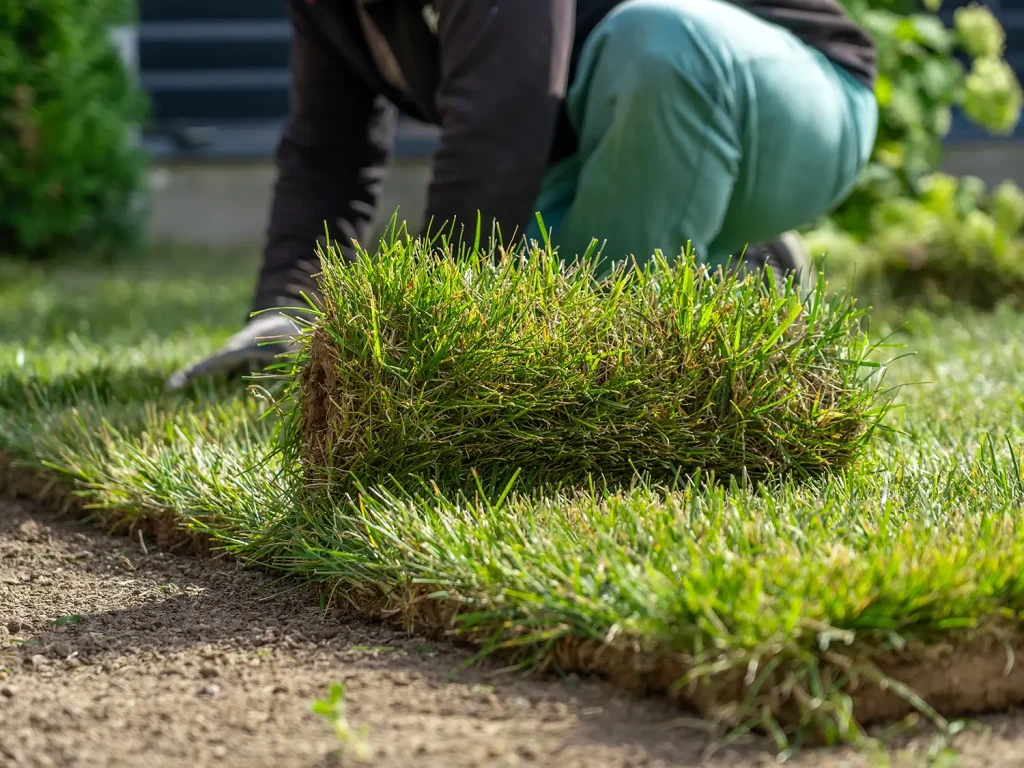
Sod—pre-grown, pre-cut living grass—costs three to four times more than seed, but offers instant results and better erosion control, especially on hillsides. Seed, while more affordable, carries greater risk.
Kresse notes, “With seed, you have one shot to get it right. If it dries out before sprouting, it’s gone.” Melton-Schroeder warns that heavy rain can wash away unrooted seed and topsoil.
Watering Requirements and Grass Type Recommendations
Both sod and seed require consistent moisture to establish. Sod needs two to four weeks of full saturation for roots to take hold. Seed requires less initial water but demands long-term care and patience.
For Missouri’s climate and clay soil, Melton-Schroeder recommends fescue grass, whether installed as seed or sod. “It’s the best for Missouri weather,” she says.
Pro Tip: Install Irrigation
Kresse’s final piece of advice: invest in an irrigation system. Consistent watering is critical, especially in the first weeks after installation, to ensure your new lawn establishes strong roots.
Content for this summary was derived from original reporting by The St. Louis Magazine