*St Louis Magazine/Kevin A. Roberts*
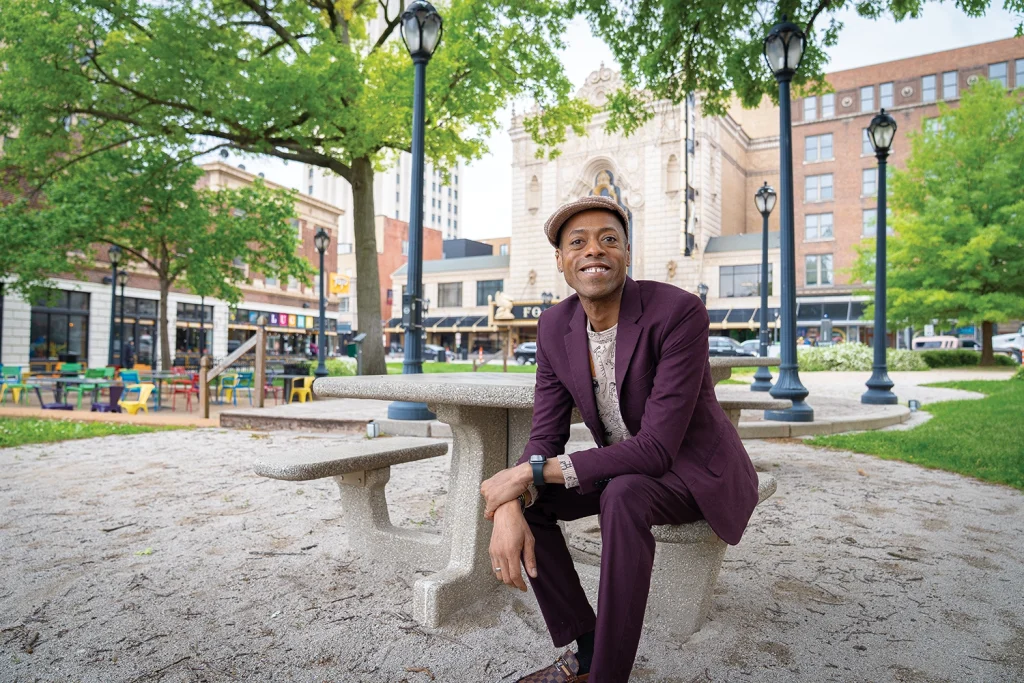
The Grand Center Arts District in St. Louis is viewed by local artist and chef Tai Davis as an area filled with “limitless potential.” A resident for six years, Davis points to a mix of culture, location, and opportunity that makes the district a compelling hub for growth in the city.
At the heart of his belief is Grand Center’s concentration of arts and cultural institutions, including the Kranzberg Arts Foundation, which supports a shared sense of purpose and community. Restaurants, venues, and creative spaces make up a landscape that Davis says fosters connection and collaboration.
Davis also emphasizes the district’s strategic location, calling it the “natural epicenter of the St. Louis region,” situated between downtown and the surrounding county. For entrepreneurs, he notes that the affordability for small businesses remains one of Grand Center’s strongest assets.
One of the most notable signs of growth is the area’s evolving food scene. Restaurants such as Grand Mediterranean, Medina, Mayo Ketchup, and David Kirkland’s Turn offer culinary variety and reflect the district’s rising energy. Davis is contributing to that evolution by hosting pop-up events showcasing his cooking, and he plans to open a new restaurant, Lineage, in the neighborhood.
The future development of Grand Center is also on Davis’s radar. He points to the renovation of Powell Hall—home of the St. Louis Symphony Orchestra—as a major milestone. Scheduled for completion in 2025, the project will help shape the next chapter of the district. Additionally, the annual Music at the Intersection festival continues to grow and anchor the neighborhood’s cultural identity.
Underlying all of this is what Davis describes as a unique blend of energy between long-time institutions, emerging businesses, and creative entrepreneurs. He believes this collaborative dynamic fuels the Grand Center Arts District’s growing appeal.
Still, Davis believes the district’s future depends on the people who shape it. “The potential is there,” he says, “but it’s up to the community to take hold of it.” He encourages entrepreneurs to act now, while real estate and rent remain accessible.
With backing from developers and organizations like the Kranzberg Arts Foundation, Davis views the Grand Center as a place where meaningful spaces can thrive through purpose-driven investment in the arts, food, and culture.
Content for this summary was derived from St. Louis Magazine